Why You Dress the Way You Do
A stylist’s guide to understanding the real personality behind your wardrobe
I’ll let you in on something I’ve learned after years of working with women on their wardrobes. The clothes are almost never the real issue. When a client tells me she doesn’t know her style, or that she always feels like something’s off, or that she buys things she never wears — what she’s really telling me is that she doesn’t yet have language for who she is. The wardrobe is just where that confusion shows up most visibly.
Table of Contents
Because here’s the truth: you already have a style. You’ve had one your whole life. It’s written in every choice you’ve made — what you reach for on a hard day, what makes you stand a little taller, what hangs in your closet with the tags still on because something about it never quite felt like you. Style isn’t random. It’s personal. And more than that — it’s psychological.
Style Is Personal — And Psychological
The way you dress is not only about taste. It is shaped by your personality, your emotional comfort zones, your daily rhythm, and the way you want to be experienced by others. Clothing becomes the visible place where inner identity meets the outside world.
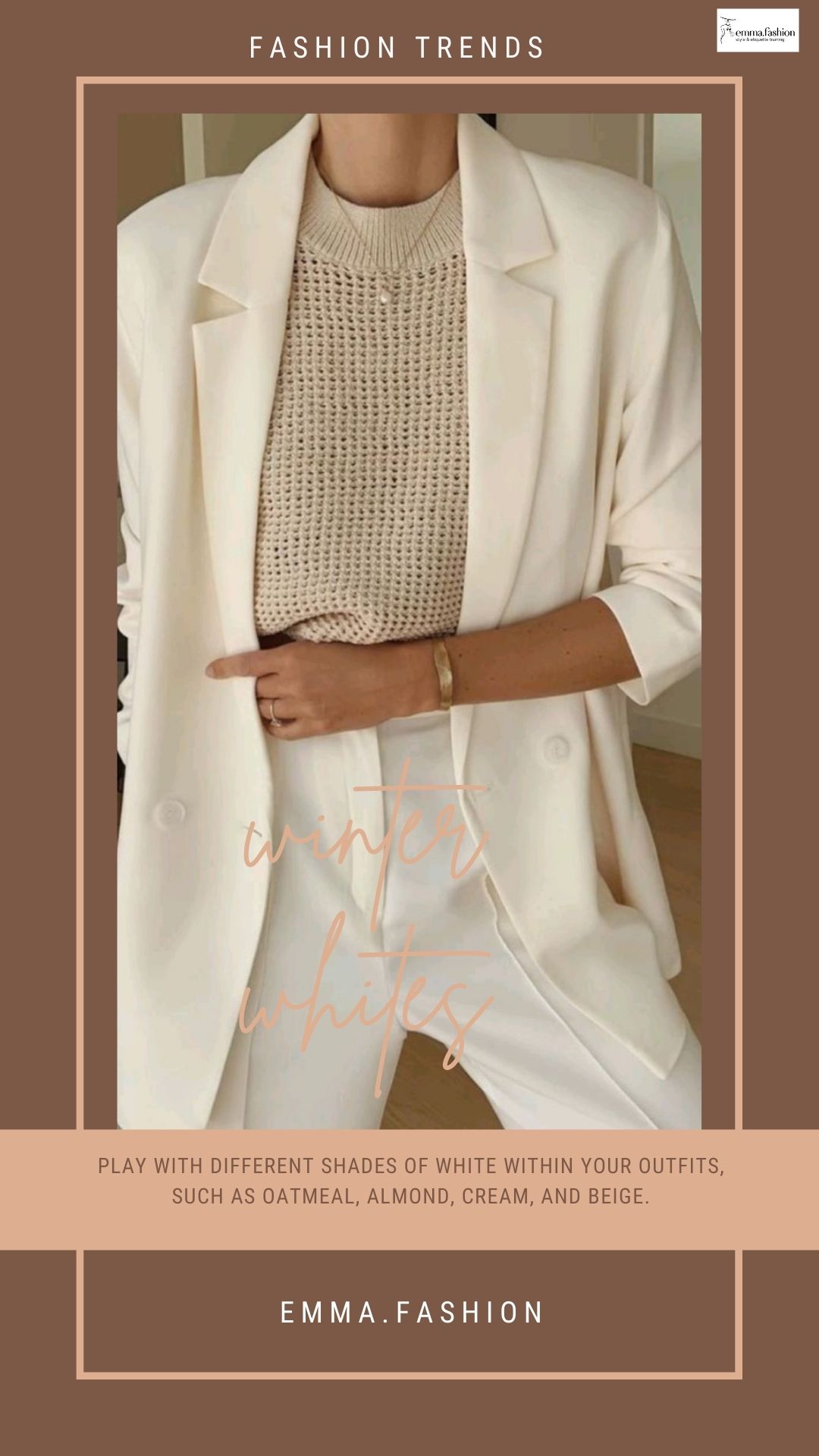
This is why two women can wear the same blazer and communicate something entirely different. One may use it as structure and protection. Another may use it as polish and authority. The garment is the same, but the meaning changes because the person wearing it changes the language.
The Introvert’s Wardrobe: Quiet Confidence
If you’re someone who finds large crowds draining, who processes inward before speaking, who values depth over breadth — chances are your wardrobe reflects that too.
Introverted personalities tend to gravitate toward clothing that feels emotionally safe. Not boring — safe. There’s a difference. We’re talking about understated elegance: silhouettes you trust, combinations you’ve tested, fabrics that don’t demand attention.
You probably have a few go-to outfits that just work — and you return to them again and again without apology. That’s not a lack of imagination. That’s discernment. You’ve already done the editing work that most people never get around to.
The challenge I often see here is guilt. Clients tell me they feel like they should be more experimental, more adventurous. My answer is always the same: dressing in a way that feels like you is never something to apologize for. Quiet style is still style. Often, it’s the most refined kind.
The Extrovert’s Wardrobe: Clothing as Conversation
On the other end, if you light up in a room full of people, if you think out loud, if you’ve always used clothing to say something before you’ve even opened your mouth — your wardrobe is a full extension of your personality.
Extroverted dressers use clothing as social communication. A bold color. A statement piece. Something unexpected that invites a reaction or starts a conversation. Getting dressed isn’t just a morning ritual — it’s part of how you show up in the world.
The gift here is energy and creativity. The challenge is often consistency and intention. When everything feels exciting in the moment, it’s easy to end up with a wardrobe that’s full but somehow still fragmented — lots of individual pieces that don’t quite speak to each other.
What I work on with expressive dressers is building a foundation that gives all that personality somewhere to land. The most powerful version of an extrovert’s wardrobe is one that’s expressive and cohesive. The bold pieces hit harder when the rest of the wardrobe supports them.
The Highly Sensitive Dresser: Feeling Everything, Including What You Wear
Some people feel fabric more acutely than others. A scratchy seam ruins the whole day. A soft cashmere instantly shifts the mood. Color isn’t just visual — it’s emotional. Getting dressed in the morning is almost a sensory and psychological experience.
If this sounds familiar, you’re likely someone with a high degree of emotional awareness — and your relationship with clothing is deeper than most people around you probably realize.
Highly sensitive individuals often form genuine attachments to garments. A particular coat worn during a meaningful chapter of life. A dress that carries a memory. A color that reliably lifts the mood on difficult days. Clothing, for you, is never just clothing. It’s a form of emotional regulation.
This is not a weakness — it’s actually a profound advantage in developing real personal style. You already know exactly how you want to feel. The work is simply building a wardrobe that consistently delivers that feeling, in fabrics your body trusts, in colors your mind responds to, with space for the pieces that carry meaning.
The Structured Dresser: The Art of Intentional Repetition
Then there are the women who have essentially already solved the getting-dressed problem — and did it quietly and methodically.
If you’re drawn to capsule wardrobes, if you find comfort in consistency, if you gravitate toward timeless pieces over trend-driven ones, if you wear the same silhouette in three different colors because it simply works — you are a structured, analytical dresser. And your wardrobe is probably the most functional in the room.
What looks like repetition from the outside is actually a refined system. You’ve identified what works, eliminated what doesn’t, and built a wardrobe around intention rather than impulse. That’s not boring. That’s the foundation most people spend years trying to build.
The area I sometimes explore with structured dressers is softness — not changing the system, but finding small ways to let personality breathe within it. One unexpected texture. One piece chosen purely because it brought joy, not because it was practical. Structure is a strength. A little warmth inside it makes it complete.
What This Means for How You Shop
Understanding your personality type isn’t about putting yourself in a box. It’s about giving yourself permission to stop dressing for someone you’re not.
The introvert doesn’t need to force bold prints to have good style. The extrovert doesn’t need to tone herself down to look refined. The sensitive dresser doesn’t need to push through discomfort for the sake of a trend. The structured dresser doesn’t need to reinvent herself every season.
What each of you needs is clarity — a wardrobe that reflects who you actually are, built around how you actually live, and chosen with enough self-awareness to edit out everything that doesn’t belong.
That’s the work I do with every client. And it almost never starts with the clothes.
It starts with the question: Who are you, really — and does your wardrobe know that yet?
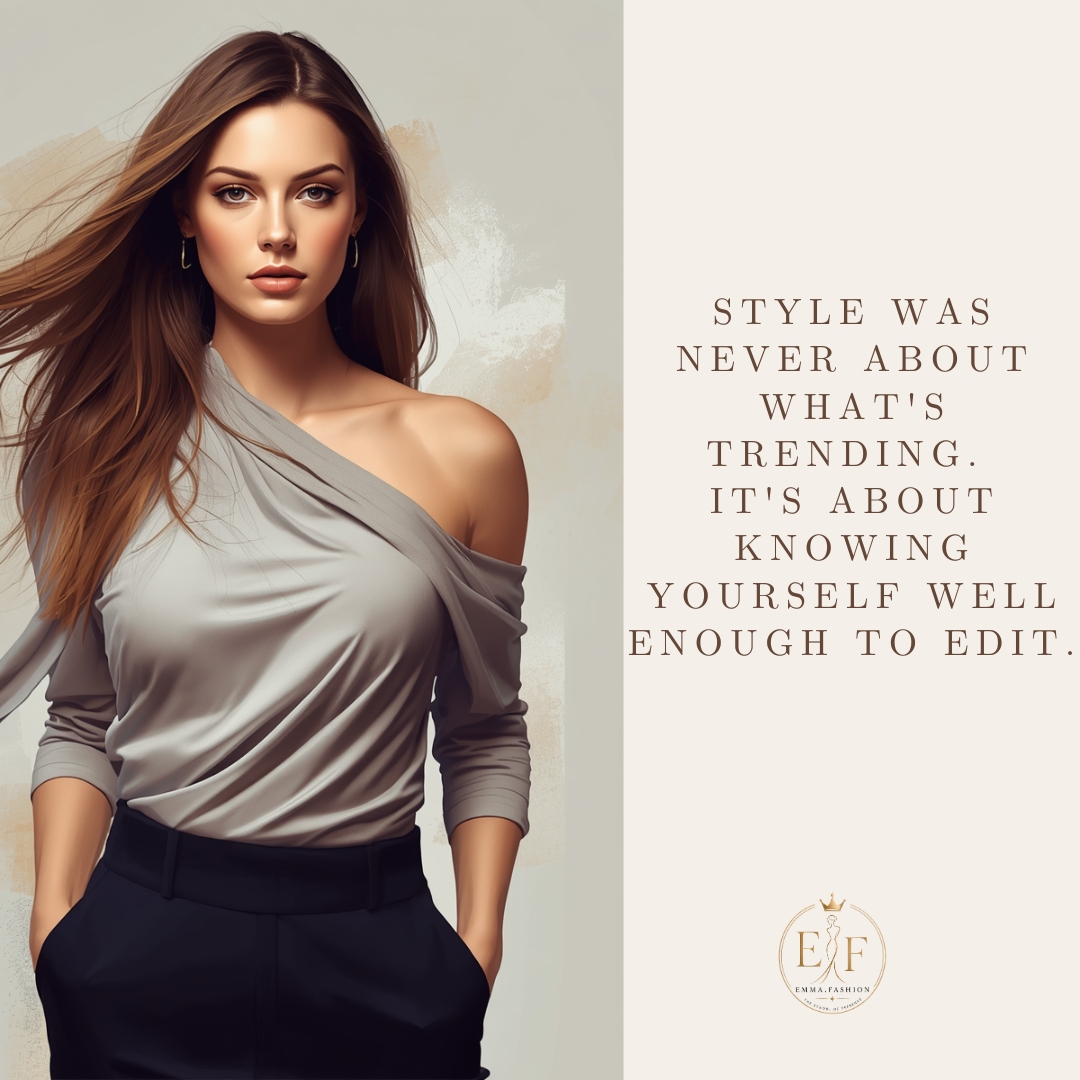
Because style was never about what’s trending. It’s about knowing yourself well enough to edit.
Frequently Asked Questions
Why do I dress the way I do?
You dress the way you do because your clothing choices are influenced by personality, emotional comfort, lifestyle, self-perception, and how you want to be seen.
Can your wardrobe reveal your personality?
Yes. Your wardrobe often reflects your comfort zones, emotional needs, communication style, and the way you naturally express yourself.
What does it mean if I repeat the same outfits often?
Repeating outfits can reflect clarity, discernment, and a strong understanding of what feels comfortable and aligned for you.
How do I know if my style is authentic?
Your style feels authentic when it supports your real life, feels natural to wear, and reflects who you are rather than who you think you should be.
How can I shop more intentionally?
Begin by understanding your personality, lifestyle, and emotional preferences. Then choose pieces that support those truths rather than reacting to trends.
Work With Emma.Fashion
If you want to understand your personal style more clearly, refine your wardrobe, and build an image that reflects your personality with confidence and ease, Emma.Fashion offers guidance rooted in presence, alignment, and intentional self-expression.
Discover how to dress in a way that feels like you — with clarity, refinement, and authenticity.

Comments